

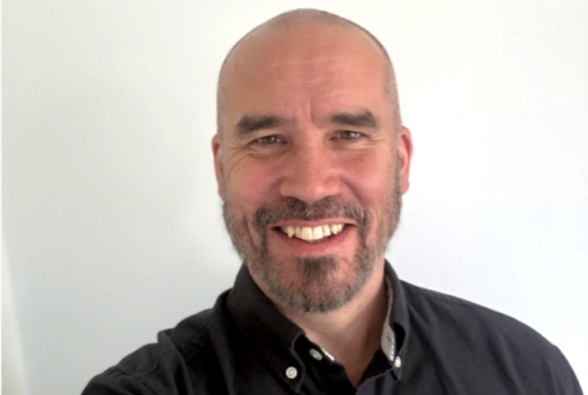
Mike Simpson, Centre Head for The Glade in Wokingham, talks about the SEND landscape, how The Glade was set up and its progress during its first half term.
If we want to break the cycle of school avoidance for anxious, neurodivergent young people, we have to stop trying to coax them back behind a school desk and start giving them an authentic workplace they can actually take pride in being a part of.
The UK’s post-16 special educational needs and disabilities (SEND) sector faces a well-documented cliff edge: the support frameworks built up through statutory schooling fall away at precisely the moment young people step into the adult world. Several pressures define this landscape:
- Following years of disrupted education, local authorities have seen a sharp rise in young people presenting with severe Emotionally Based School Avoidance (EBSA), autistic burnout and demand-avoidant profiles. These young people are often highly capable, yet their nervous systems register standard educational settings as acute threat zones.
- Traditional FE too often funnels neurodivergent learners into repetitive cycles of generic “independent living” or entry-level courses that lead nowhere tangible – deferring adulthood rather than building it.
- Councils face unsustainable Dedicated Schools Grant deficits, driven largely by high-cost independent and out-of-borough specialist placements. Local authorities urgently need high-quality local provision that keeps young people rooted in their home communities, at a sustainable cost.
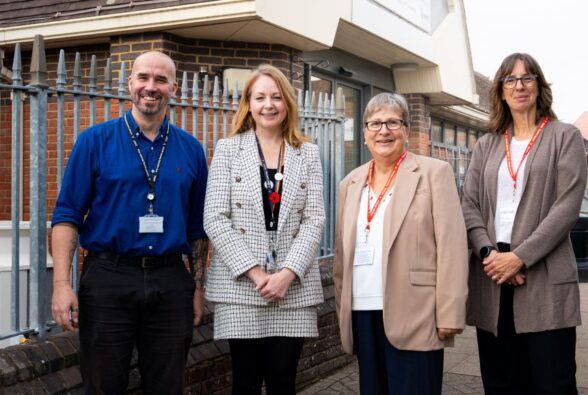
When we opened the doors of The Glade in Wokingham this September, we knew we were stepping away from the traditional educational blueprint. Our goals were clear and ambitious:
- To break the cycle of educational dependence by creating a provision designed specifically for cognitively able, neurodivergent young people who have found mainstream schools and colleges overwhelming and difficult to navigate.
- To build a genuine bridge that scaffolds the transition from education into the world of work.
For these learners, traditional academic environments have too often been places of prolonged failure and trauma. Had we simply replicated a school sixth form or a standard FE classroom, we would have replicated those barriers too. Instead, we chose to innovate radically.
We didn’t build a college, we built an adult workplace.
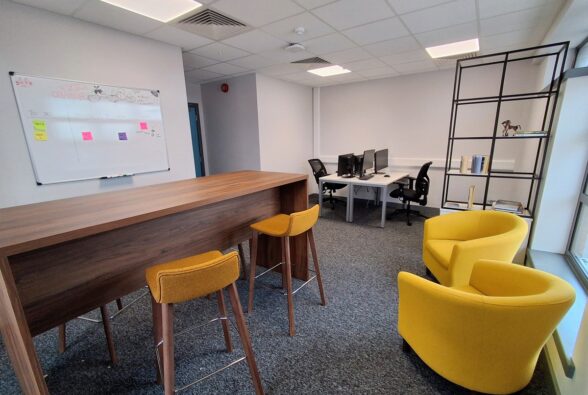
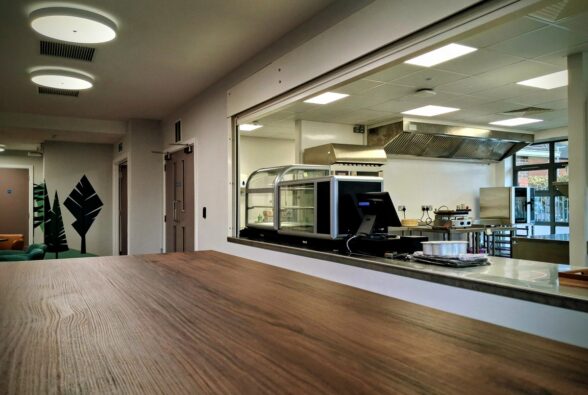
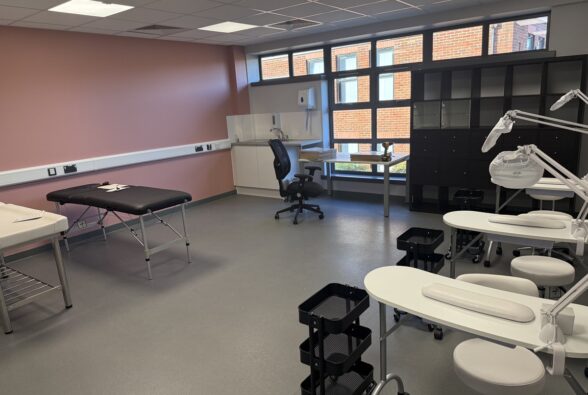
At The Glade, learners don’t spend their days sitting at desks listening to lectures. They work in authentic commercial environments: the Broadleaf Café & Kitchen, the Multi Skills Workshop and the Salon. They are not treated as students but as colleagues, baristas, technicians and project leads.
This shift in environment is far more than an aesthetic choice; it is a powerful desensitisation tool. By reframing each day as time spent in a professional workplace, we allow our learners to shed the “failed student” identity that has weighed them down for years.
But a space is nothing without a culture. Underpinning everything we do is our ‘Confidence First’ model: the conviction that qualifications and technical skills cannot take root until a young person’s emotional foundation is secure.
We believe confidence, self-esteem and resilience are the three greatest tools for navigating life, yet for young people who have faced chronic anxiety and school avoidance, these are the very attributes that traditional education has eroded.
By creating an authentic adult environment where learners genuinely connect with one another and with the wider community, we replace isolation with a shared identity.
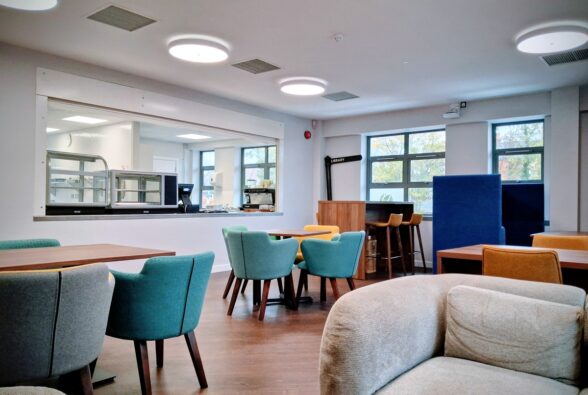
When our learners realise they belong to something real, like a bustling café, a skilled workshop, a collaborative team, and feel proud of their contribution, barriers begin to dissolve.
None of this scaffolding works in an emotional vacuum. It hinges on the quality and depth of human relationships. For young people carrying the weight of school avoidance and fractured educational trust, safety is never established through policy or rigid rules. It is built through people.
At The Glade, we deliberately dismantle the traditional hierarchy of authority and compliance, replacing it with unconditional positive regard and authentic workplace partnership. Our staff work shoulder-to-shoulder with learners as colleagues and mentors.
In this low-arousal, collaborative environment, learners also begin to form genuine peer bonds, discovering that their struggles with sensory overwhelm or task initiation are shared rather than isolating.
When young people feel fundamentally seen, understood, and trusted by the adults and peers around them, their nervous systems settle, defensive barriers dissolve, and the real work of growth, learning, and self-advocacy can finally take root.
It is this foundation of connection and belonging that truly unlocks their future, transforming their mindset so that, at last, they feel able to aspire.
Our first half term
In these first few weeks, the transformation has been palpable. Learners who previously experienced task paralysis when faced with an open-ended worksheet are now confidently operating the EPOS till, carrying out Natasha’s Law allergen audits or assembling timber furniture to exacting tolerances. We are replacing the anxiety of academic performance with the tangible confidence that comes from vocational success.
Of course, an adult workplace model demands a careful balance. High autonomy does not mean a lack of structure. For a young person with severe executive dysfunction or EBSA, an unstructured day can trigger choice paralysis and the very anxiety we set out to ease.
We don’t expect learners to arrive able to self-direct from day one, developing that capacity is precisely why they are with us.
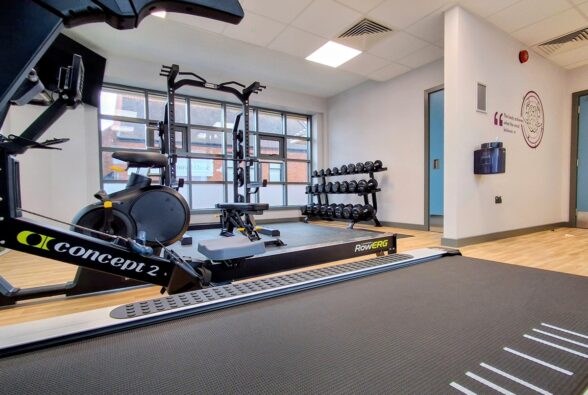
So, we have evolved a hybrid delivery model that wraps our adult workplace culture in structured learning periods. Short sessional blocks, combined with our Sprint Board (which encourages learners to take ownership of their own time and programme) recreate the rhythm of a professional training environment.
We also recognise the intense cognitive and sensory fatigue our learners experience.
Our working day includes scheduled resets and dedicated Emotional Airlocks: low-stimulus regulation spaces where learners can decompress without judgement before returning to their shift. Our staff use declarative, low-arousal coaching rather than directive demands, shifting the dynamic from compliance to professional camaraderie.
Looking Ahead
As we move beyond the October half term, our learners are progressing from our foundation “Introduction to College” phase into their applied vocational pathways.
They are earning credits towards their Level 1 qualifications through hands-on rotations, while our Work Experience Coordinator matches each of them to bespoke external placements based on their individual workplace passports.
The hub is also buzzing ahead of our official launch event on 8 December. True to our ethos, the event is learner-led from start to finish. Our young people have no intention of being passive participants!
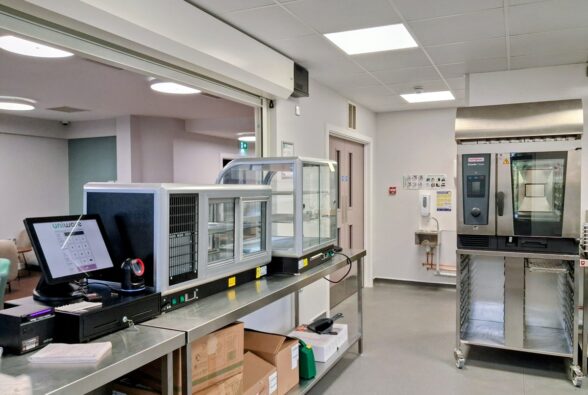
They are the production crew. They are auditing the visitor journey to design wayfinding signage, fabricating timber display plinths in the workshop, costing and preparing the catering and curating a digital showcase of their achievements.
Speaking personally, The Glade is far more than a new facility; it is a genuinely new paradigm for SEND education. We are proving that when you remove the traditional barriers of the classroom and replace them with the respect, autonomy and scaffolded support of a professional workplace, chronically anxious, school-avoidant young adults can do far more than simply return to education. They can truly thrive.