



TRADE — TEACH — THRIVE

A pathway for skilled tradespeople, technicians, and industry professionals to move into vocational teaching.

Inspire the Next Generation

Why Teach?

Teaching gives you the chance to share the knowledge and real-world experience you’ve built throughout your trade. It’s an opportunity to shape future talent, give back to your industry, and make a lasting impact. Alongside the personal rewards, you’ll benefit from stability, professional development, and the satisfaction of helping learners grow in both skill and confidence.

From Trade to Teaching

You don’t need a teaching qualification to begin—your hands-on expertise is what matters most. Skilled tradespeople from construction, engineering, electrical, plumbing, automotive, digital, hair and beauty, hospitality, and other technical fields are all encouraged to step into the classroom. With full induction, mentoring, and training provided, you can smoothly transition from the workshop or worksite into a meaningful new career.

What to Expect in the Role

As a technical teacher or trainer, you’ll lead practical workshops, teach the theory behind the skills, and assess learner competence. You’ll guide students with constructive feedback, collaborate with employers to support placements and real-world projects, and continue developing professionally yourself. Whether full-time or part-time, the role offers variety, purpose, and the chance to shape the workforce of tomorrow.

What to Expect When You Teach Your Trade

Teaching vocational learners combines hands-on practical delivery with focused skills coaching. You’ll use your trade expertise to guide learners through real tasks, teach the theory behind the skills, and help them build confidence for the workplace. Typical responsibilities include:

  • Leading practical workshops: You’ll demonstrate tools, techniques, and processes, ensuring learners develop the practical skills required in their chosen trade.

  • Delivering theory sessions: Alongside hands-on training, you’ll deliver classroom-based lessons that explain the principles, safety standards, regulations, and knowledge that underpin vocational practice.

  • Assessing skills and competence: You’ll evaluate skills through practical assessments, written work, observations, and discussions to ensure learners meet industry and qualification standards.

  • Supporting learners with feedback: You’ll provide clear, constructive guidance to help students improve, set goals, and progress confidently through their course.

  • Working with employers on placements and projects: You’ll collaborate with local businesses to arrange work placements, site visits, and employer-led projects that give learners valuable experience.

  • Continuous professional development: You’ll keep your knowledge current—both in your trade and in teaching practice—through ongoing training, upskilling, and industry engagement.


 

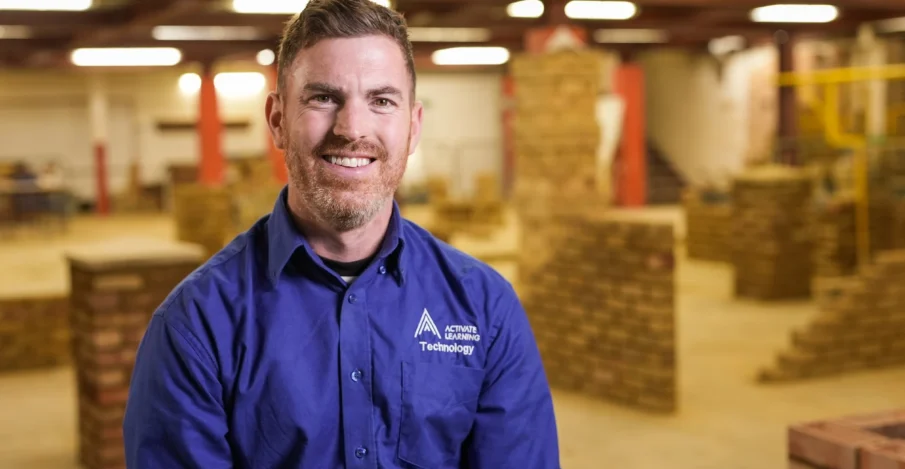
"The leap into further education wasn’t as daunting as I thought. I always had apprentices and enjoyed that relationship and developing them. When a learner completes a qualification as a result of my training and my input…that’s just fantastic!"

Mark Tempest - Brickwork Teacher

Your Skills, Their Future

If you have practical, real‑world experience, you can teach the next generation with full support, training, and development.

View Teaching Development Journey


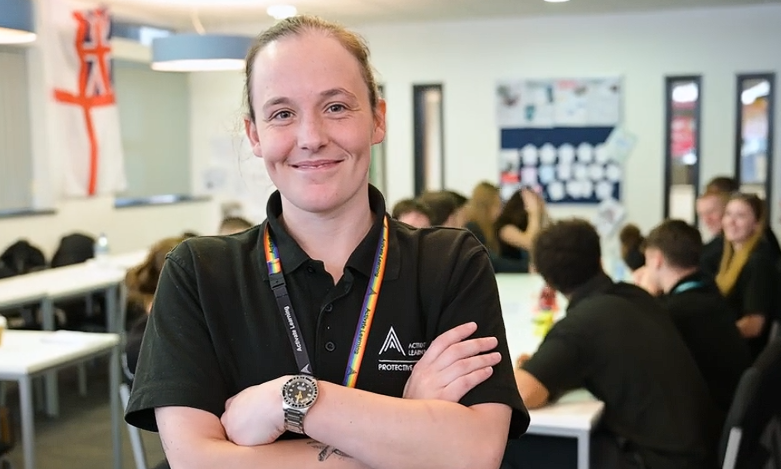
"I Joined Armed Forces when I was 20 years old, transitioned in to the prison service then into Activate Learning; it has given me a massive amount of skills. It's one whole team, the support from the college, it is a family. Activate paid for my teaching degree and gave me time to prepare"

Charlotte Coulter - Public Services  & Outdoor Teacher

Veterans Into Vocational Education

From Forces to Further Education

Build your teaching career with Activate Learning

Find out more

Curious About Teaching? You’re Not Alone

It’s completely normal to have questions when considering a move into teaching, especially if it’s a new direction from your trade. Whether your experience is in construction, plumbing, electrical work, health and social care, hairdressing, or other vocational areas, you might be wondering what a typical day looks like, whether you need formal teaching qualifications, or how to balance a classroom role with your other commitments.

We’ve highlighted some of the most common questions and concerns to give you a clear picture of what teaching in further education really involves. With the right support, training, and guidance, you can confidently explore this rewarding career, share your skills in areas like construction, plumbing, electrical, health and social care, or hairdressing, and inspire the next generation of skilled professionals. Read more FAQs below.

Teach What You Know

Bring your trade skills to life by teaching the next generation. Whether in construction, plumbing, electrical work, health and social care, hairdressing, or other vocational areas, you can inspire learners, share your expertise, and build a fulfilling career with training and support.

Share your Skills - Apply Here

Teaching in FE focuses on helping learners gain the practical skills, technical knowledge, confidence, and behaviours needed for their chosen trade or profession. It includes:

  • Hands-on skills training

  • Workshops and demonstrations

  • Industry-linked projects

  • Theory lessons

  • Coaching and mentoring

  • Skills assessment

FE is highly practical, applied, and industry-focused—ideal for people from a trade background.

College life is dynamic, hands-on, and varied. You’ll:

  • Lead practical workshops

  • Teach classroom-based theory lessons

  • Coach learners through real trade tasks

  • Provide feedback and support

  • Work with local employers

  • Help shape the next generation of skilled workers
    You’ll be part of a supportive team with access to training, teaching resources, and development opportunities.


No—many of our vocational teachers come directly from industry. Your trade expertise is the most valuable asset. You’ll receive structured training, mentoring, and ongoing support to develop your teaching practice once you join us.

FE students range from 16 to adult learners. You may teach:

  • 16–18 full-time students preparing for work

  • Adult learners retraining or upskilling

  • Apprentices who work in industry and attend college part-time

  • Higher-level learners studying technical or professional qualifications

Depending on the role you’re interested in, you would work within one of Activate Learning’s colleges. This includes:

You may also visit employer sites if you’re working with apprentices or conducting workplace assessments.

The day to day teaching would be in workshops, training facilities, classrooms and industry standard training rooms.

The role includes:

  • Delivering practical workshops

  • Running theory lessons

  • Marking and assessing learner work

  • Planning lessons and preparing resources

  • Attending team meetings and training
    It’s varied and rewarding, with a balance of hands-on work and learner support.

  • Teacher/Lecturer – Delivers both practical and theory lessons; responsible for planning, delivery, progress, and assessment.

  • Trainer – Primarily focuses on delivering hands-on practical skills.

  • Tutor – Provides pastoral support, mentoring, and guidance.

  • Assessor – Evaluates learners’ skills, knowledge, and competence against qualification standards, often in the workplace.
    Different roles suit different strengths—some are more practical; others focus on teaching or assessment.

Absolutely. Many teachers maintain part-time industry work to:

  • Stay current with the latest tools and standards

  • Bring fresh, real-world experience into lessons

  • Maintain professional networks
    This is actively encouraged.

You’ll use the same tools, machinery, and equipment you would expect in your industry. Our workshops are designed to reflect real working environments and are regularly updated to meet industry standards. Depending on your trade, this may include:

  • Hand and power tools

  • Specialist machinery and equipment

  • PPE and safety systems

  • Digital tools, VR, or simulation equipment (in some areas)
    You’ll also have access to teaching resources, digital platforms, and assessment tools.

Activate Learning offers excellent holiday entitlement—typically around 40 days per year, plus bank holidays. Exact allowances vary depending on the contract and role.

Yes.  Teachers’ Pension Scheme (TPS), is one of the most generous public-sector pension schemes. As a member, you’ll benefit from:

  • A secure, defined-benefit pension based on your salary and length of service

  • Significant employer contributions

  • Life assurance and family benefits

  • Flexibility around retirement age and options for phased retirement
    You’ll receive full details of the scheme and how to join during your onboarding process.

Yes. You’ll assess learners through:

  • Practical skills tests

  • Written assignments

  • Observations

  • Discussions and professional conversations
    This ensures learners meet qualification and industry standards.

Not necessarily. For most vocational teaching roles, substantial industry experience and qualifications in your trade are more important. Some roles may require a Level 3 or equivalent qualification. A degree may be needed for higher-level teaching, but it’s not a blanket requirement.

Yes. Many vocational staff work part-time or on flexible contracts. Part-time roles are common in areas where industry professionals split their time between teaching and their trade.
 

You’ll work towards nationally recognised teaching and assessing qualifications. We’ll help you choose the right route depending on your role and experience. Continuous professional development (CPD) is part of the job, so you’ll keep building your skills throughout your career with us.

You don’t need to hold teaching qualifications before applying. Many new FE teachers complete their qualifications on the job, supported and funded by Activate Learning. These may include:

  • Level 3 Award in Education and Training (AET)

  • Level 4 Certificate in Education and Training (CET)

  • Level 5 Diploma in Education and Training (DET)

  • Assessor or IQA qualifications (depending on the role)

Yes. Many vocational teachers progress into roles such as:

  • Curriculum Lead or curriculum manager

  • Assessor or internal verifier

  • Senior leadership roles within FE

  • Director

Activate Learning is committed to creating an inclusive environment where all staff and learners feel safe, respected, and supported. This includes:

  • Staff training on equality, diversity, and inclusion (EDI)

  • Clear policies and procedures

  • Support networks for staff

  • Inclusive teaching practices

  • Support teams for learners with additional needs
    Our aim is to ensure everyone can succeed regardless of background or identity.

Should you wish to explore this further, please contact recruitment@activatelearning.ac.uk to arrange an informal discussion. This will provide an opportunity to learn more about Activate Learning and to discuss current and forthcoming opportunities that may be suitable for your skills and experience.

  • Visit the “Work With Us” page on the Activate Learning website.

  • Browse opportunities that match your trade.

  • Apply with your CV outlining your industry experience.

  • If successful, you’ll receive training and support to transition into teaching.

  • Cant see a role? Join our Talent Pool

Turn Your Trade Skills Into a Teaching Career

Your trade experience has the power to shape the workforce of tomorrow. By stepping into teaching, you can pass on the skills, knowledge, and real-world insight that employers are looking for. Explore our teaching opportunities on the website to learn how you can get started, discover the roles available, and find the pathway that fits your skills and ambitions.